



Choosing Effective Sound Insulation Materials for Aluminum Doors and Windows to Reduce Noise Pollution
How can we reduce urban noise pollution at home? Choosing effective sound insulation materials for doors and windows to "arm" one's house has become a concern of many residents. There are several kinds of sound insulation materials.
Hollow (insulating) glass consists of two or more layers of flat glass. High-strength, airtight composite adhesives bond the glass panes to aluminum frames or rubber strips, leaving a sealed space filled with inert gas for excellent thermal and acoustic insulation. Because the air or gas sealed between the glass panes conducts heat and sound poorly, it provides superior sound insulation.
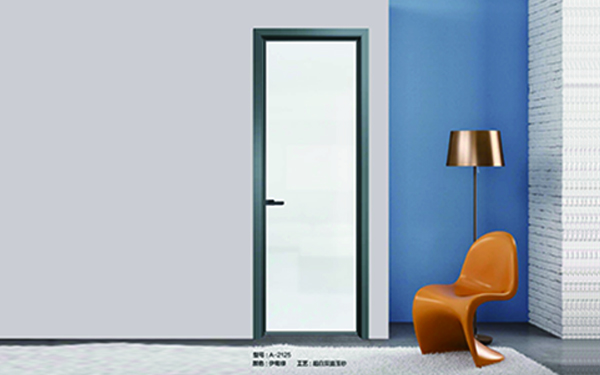
Laminated glass has a PVB interlayer sandwiched between two or more glass panes. The PVB interlayer reduces the amount of noise passing through the glass and lowers the decibel level to achieve sound insulation.
Acoustic decorative panels are new building materials with excellent sound-absorbing performance as well as flame-retardant and fireproof functions. They are generally available in many colors and patterned finishes, and some products can be processed into various shapes as required.
Features of PVC and aluminum doors and windows

Industry insiders note that for horizontal-sliding PVC windows, sound insulation depends on the tightness between the two sashes and between the sash and the frame; for outward-opening windows it depends on the tightness of the sash against the frame when closed. PVC doors and windows generally use rubber strip seals; unlike the "hard-against-hard" fit of ordinary aluminum windows, their sound insulation effect is noticeably better.
Today's PVC doors and windows come in many styles — besides traditional inward/outward casement, sliding and folding types, there are inward-casement top-hung, sliding top-hung and sliding bottom-hung models. Most PVC doors and windows on the market are white, but colored profiles have also appeared.
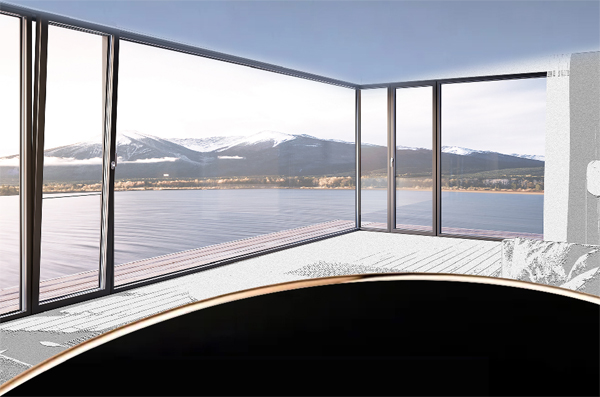
Good sealing of PVC doors and windows guarantees sound insulation, but brings the weakness of insufficient air circulation. Ventilators used when windows are closed have now been developed: they do not affect sound insulation while ensuring indoor-outdoor air exchange, and can be installed between window frames without taking up space.
Many people think aluminum doors and windows have poor sound insulation, but new aluminum doors and windows have in fact made substantial improvements in sealing and sound insulation. The sound insulation of a window mainly depends on the glass, which accounts for about 80% of the area, followed by the sealing performance of the door and window.
Some aluminum door and window products on the market today use different glass combination structures to enhance sound insulation. For airtightness, the use of high-quality rubber strips and plastic sealing accessories also largely solves the problem of poor sealing of aluminum doors and windows.